
Bachelor of Science in Electrical Engineering
Bachelor of Science in Electrical Engineering
Overview
The components of the Information Age—global communication systems, computers and computer chips, and the software that runs them, as well as pacemakers, magnetic resonance imaging, and interplanetary space missions—are possible because of the efforts of electrical engineers. Today, electrical engineers are developing concepts and working to translate these ideas into the next generation of products, from computers and safe, energy-efficient vehicles, to radar that can detect unexploded land mines from the air, to microrobots that diagnose disease from inside the body.
Innovative Curriculum
Electrical engineering students at Northeastern study microelectronics, signal processing, power electronics and electromagnetics, fundamental elements of today’s information age that provide the tools that make these advances possible. As an electrical engineering student, you will build the strong foundation in science and mathematics necessary to succeed as an engineer.
Many electrical engineers work in the traditional areas of communications, computation, and control, and components required to realize such systems. They are involved in design and product development, testing and quality control, sales and marketing, and manufacturing. Others use their problem-solving skills in diverse areas such as bioengineering, healthcare, electronic music, meteorology, and experimental psychology. Some graduates draw on their electrical engineering backgrounds to launch successful careers as physicians, financial analysts, attorneys, and entrepreneurs.
Electrical engineers are developing the next generation of microprocessors, signal processing algorithms for DNA-matching, and ground-penetrating radars for detecting hazardous wastes.
Students with an electrical engineering degree are aggressively recruited by employers across the country. Whether you want to work in chip fabrication, telecommunications, or radar system development, you can expect to find a wide range of employment opportunities throughout your career.
Minors to Personalize Your Path
Students have the option of selecting from several minors to complement their degree and personalize their path. Students can select from minors in the department, in other engineering departments, or from across the university.
Accelerated Master’s Degree
The Accelerated Master’s Degree PlusOne program allows current undergraduate students to accelerate the attainment of the master’s degree by applying graduate credits taken as an undergraduate toward both the undergraduate and graduate degrees. Current students apply to enroll in the PlusOne program. Students attain their bachelor’s degree followed by a PlusOne year to complete the master’s degree.
Students currently earning a BS in Electrical Engineering can select from the below MS degree PlusOne pathways.
Accreditation
The Bachelor of Science Program in Computer Engineering is accredited by the Engineering Accreditation Commission of ABET, www.abet.org.
Experiential Learning
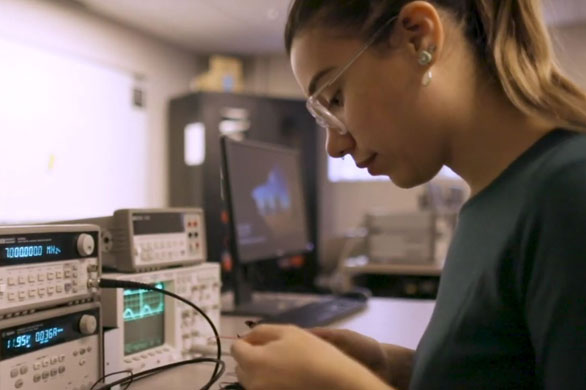
Experiential learning is the heart of a Northeastern education, combining rigorous coursework with hands-on experience in the classroom, in the lab, and in the field—locally and abroad. With our signature cooperative education (co-op) program, students typically gain six months of work experience integrated as part of the educational program. Both five-year, three-co-op and four-year, two-co-op program options are available.
Academic Advising
For support with academic questions, contact the academic advisor assigned to this program.
Admissions & Aid
Ready to take the next step? Review Degree Requirements to see courses needed to complete this degree. Then, explore ways to pay for your education. Finally, review Admissions Information to see our deadlines and gather the materials you need to Apply.
Student News

Co-ops Create Formative Life Experiences for Alumnus
A global co-op at Siemens, then in West Germany, and recurring terms at the Rumford, Maine paper mill were formative experiences for Paul Kallmes, E’84, electrical engineering, shaping him into the person he is today and teaching him important soft skills for his postgraduate career.
Co-ops in the Dana Research Center Prepare Alumnus for a Successful Career
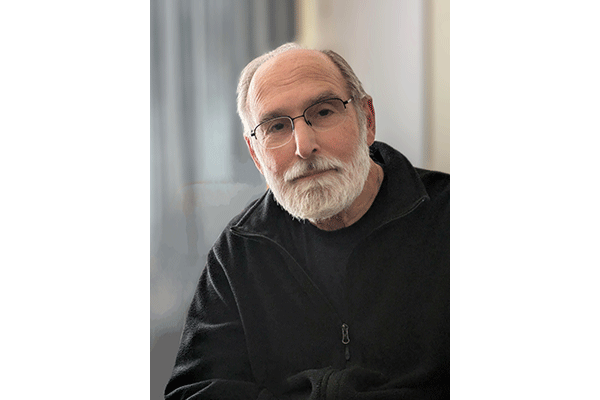
David Miller, E’71, MS’75, electrical engineering, transformed his childhood interest into a decades-long career. Recurring co-ops in Northeastern’s Dana Research Center taught him the electronic design principles and communication skills that became the foundation for his career successes.
Student Club Is Innovating To Lower the Cost of Satellites
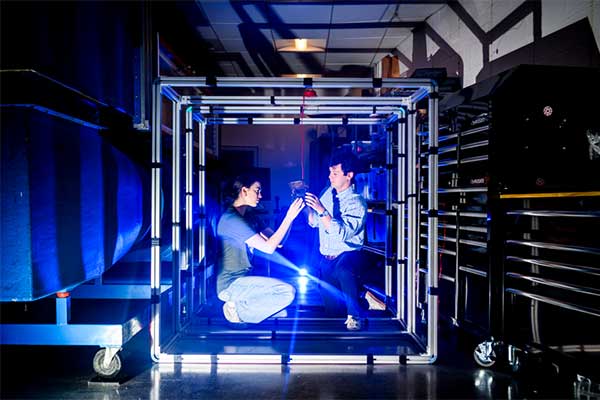
Matthew O’Rourke, E’25, mechanical engineering, and Rachel Rakushkin, E’26, electrical engineering, were awarded Mosaic Prototype awards from Northeastern’s Center for Entrepreneurship Education for their work developing technologies to reduce the cost of satellite components as part of the Project Horizons student club.

Co-ops Helped Alumnus Reach Top Tier of Computer Industry
Quincy Allen, E’82, electrical engineering, attributes his three co-ops to setting him apart from others when he graduated and landed a job at Xerox Corp., where he eventually became president of its Production Systems Group. Today, he continues to support technology companies as a board member.
Professional Licensure: If looking for information on obtaining Professional Licensure, visit the Professional Licensure Disclosure Page or contact the Associate Dean for Undergraduate Education, Susan Freeman, at s.freeman@northeastern.edu.